
- 0
- 537 words
As more people turn to pets for companionship, the sound of paws has become a familiar part of everyday outings, including casual coffee meetups with friends.
Across the UK, an increasing number of businesses—from independent cafés to large restaurants and shopping centres—are welcoming dogs. Well-known brands such as Ikea, John Lewis, Zara, H&M, and Lush have also adopted dog-friendly policies, reflecting the growing demand among pet owners.
However, not everyone supports this trend. For individuals who suffer from dog allergies or cynophobia—an extreme fear of dogs—the rise of dog-friendly spaces has created new challenges.
Abi Wilson, 20, who has lived with cynophobia since childhood, said the growing number of dog-friendly locations makes her feel restricted in daily life. She explained that she now leaves her home only for special occasions due to the limited availability of dog-free spaces.
With puppacinos becoming nearly as common as cappuccinos, some people are questioning whether the UK is moving toward becoming a fully dog-friendly society—and what this shift means for those who do not feel comfortable around dogs.
According to the World Animal Foundation, there are around 13.5 million pet dogs in the UK, with about 36% of households owning at least one dog. Data from The Kennel Club also suggests that 72% of dog owners are more likely to visit restaurants, pubs, or cafés if their dogs are allowed.
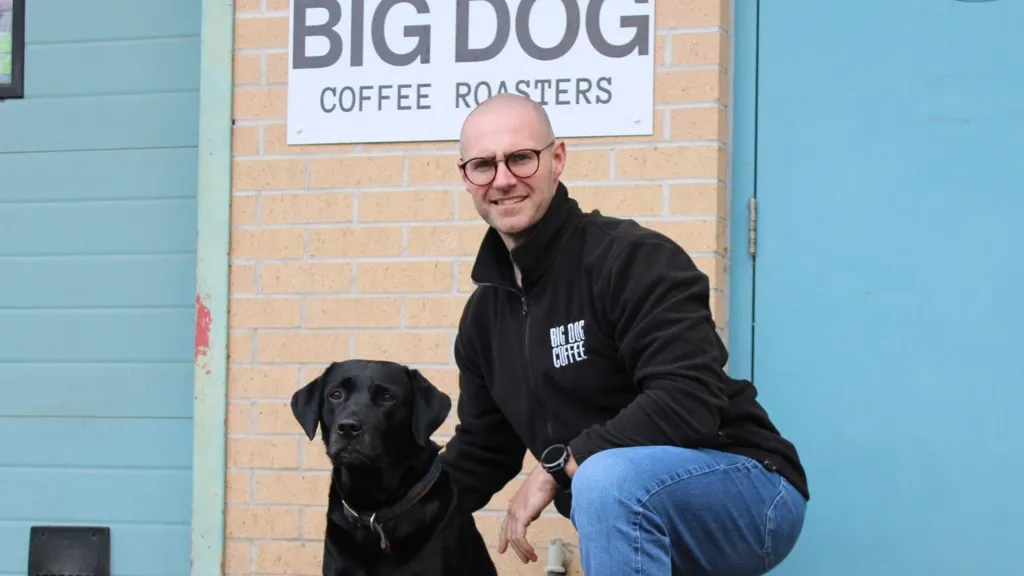
Among those embracing this trend is Huw Williams, founder of Big Dog Coffee, who opened his first dog-friendly café in Blackwood, South Wales, in 2020. He later expanded his business by opening another location in Merthyr Tydfil and supplying coffee to stores across Wales.
Huw said his black Labrador, Clyde, inspired both his lifestyle and business identity. He described Clyde as a “symbol of home” that naturally became the symbol of his café.
He emphasized that welcoming dogs was never intended as a marketing strategy but rather a personal choice that unexpectedly benefited the business.
“People want to take their dogs everywhere,” he said. “I’m even planning to take Clyde on holidays with me. Dogs are part of the family.”
Huw noted that his café often becomes a social hub where customers connect with one another, often sparked by conversations about their pets.
To ensure inclusivity, he added that the business encourages responsible pet ownership, requiring dogs to remain on leads and stay off furniture to respect customers who may be uncomfortable around animals.
For people like Abi, however, the increasing number of dog-friendly spaces has created daily challenges. She explained that she avoids going out unless she is completely certain that a location does not allow dogs.
“With most shops and businesses now allowing dogs, I feel like I have very few places left to go,” she said.
Abi described experiencing intense anxiety when encountering dogs, even outdoors. Her symptoms include feeling stressed, nauseous, and constantly alert.
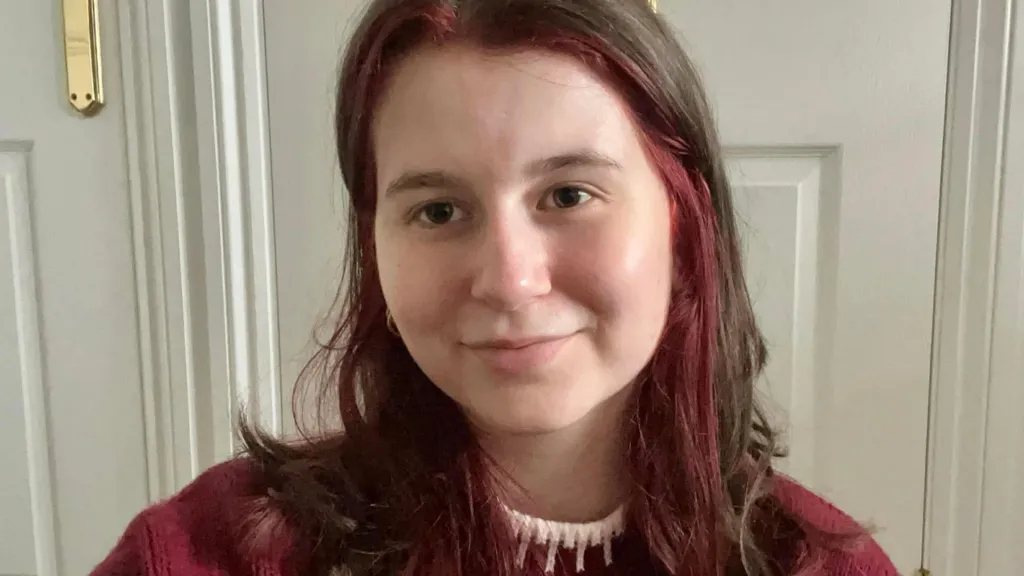
“I can’t visit cafés, pubs, small shops, or even some shopping centres,” she explained. “Sometimes I struggle just to step outside my front door without feeling sick.”
She added that many places she once considered safe are gradually becoming dog-friendly, sometimes without clearly updating their policies online, making it even harder for her to plan outings safely.
